Static IP VPN Myth: Why Dynamic IPs Protect Privacy
Why a Static IP VPN Myth Is Costing You Privacy and Account Security
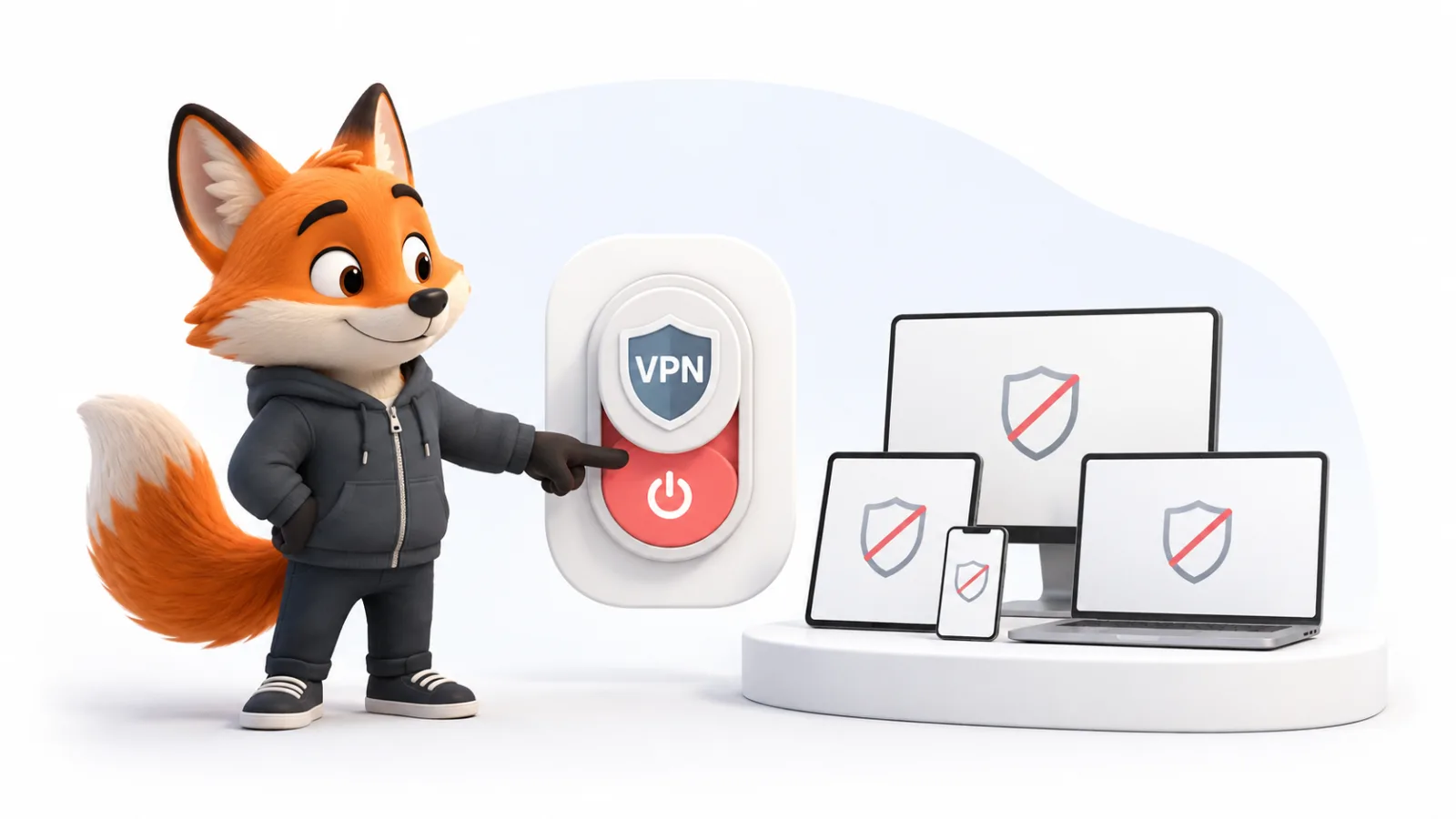
When you look around the digital landscape, you will often see vendors, hosting providers, and tech bloggers pushing static IP VPNs as the gold standard of cybersecurity. Countless online pages urge everyday users to purchase dedicated or fixed IP addresses, claiming it’s the only way to guarantee a secure connection, avoid annoying captchas, and keep financial accounts or social media profiles safe from sudden bans. But here is the hard truth: this advice is entirely outdated, and following it can actually backfire. Far from making your browsing safer, a static IP often invites unwanted tracking and digital profiling.
To understand why, we need to look at how the internet actually functions. Everyday internet users naturally experience dynamic IP changes throughout the day. Whether you toggle your smartphone's airplane mode on and off, restart your home router, or switch between Wi-Fi and mobile data, your public IP address shifts constantly. Web servers and global digital services expect this behavior. They do not penalize normal users simply because their IP address changes from morning to night. When you tie yourself to a rigid, unmoving address, you stand out in ways you probably never intended, raising red flags for automated security systems that associate persistent static addresses with bots and malicious scripts.
What Promoters Get Wrong About VPN IPs
Many commercial VPN marketers exploit user anxiety by selling static IPs as a magic bullet for online stability. They claim that having the exact same numbers every time you log in prevents security checks and keeps your accounts pristine. However, this argument ignores the foundational architecture of the modern web. IP rotation is completely normal. Millions of residential broadband and mobile network customers worldwide get a fresh IP address every single time their equipment reconnects. Believing that you need a static IP to browse safely is like believing you need to drive the exact same car down the exact same lane every single day to prove you are a legitimate driver. The web doesn't work that way, and treating an IP address like a permanent digital ID card compromises your long-term anonymity.
The Everyday Reality of Dynamic IP Addresses
Think about your daily digital routine. You wake up, check your phone on home Wi-Fi, step outside where your mobile carrier assigns you a cellular IP, grab a coffee at a local shop with a public hotspot, and eventually connect to a workplace network. Each step involves a different IP address. Online platforms handle billions of these shifts every second without a second thought. A dynamic IP setup protects your privacy by blending your traffic into the vast sea of everyday network changes. By contrast, clinging to a static IP creates a predictable behavioral trail. Security trackers love static addresses because they make long-term profiling effortless. When you rely on FoxyNet and its robust connection options, you embrace a natural, fluid browsing rhythm that keeps trackers guessing while preserving your privacy across every session.
Why You Don’t Actually Need a Static IP
The myth of the static IP falls apart the moment you examine how web applications process incoming traffic. Most internet services care about one thing only: whether your connection looks trustworthy. They do not keep a ledger of your changing IP addresses, nor do they flag you for moving around the digital map. For general web surfing, streaming movies, reading news, and participating in online forums, dynamic routing is completely frictionless. You don't need a fixed geographical anchor to enjoy smooth video playback or fast downloads. In fact, relying on a dynamic pool of clean addresses often provides a much smoother experience because it prevents you from getting trapped on a single overused node.
Websites Do Not Care About Normal IP Fluctuations
Have you ever wondered if popular websites panic when your IP address changes mid-session? The answer is a resounding no. Modern web applications rely on secure session tokens, cookies, and multi-factor authentication to verify your identity rather than relying solely on your raw IP address. If your connection drops and your router assigns you a new IP, your favorite news site or streaming platform simply continues where you left off. The idea that a changing IP disrupts your digital life is a myth manufactured to sell expensive, unnecessary upgrades. As long as your connection is stable and encrypted, minor network shifts go completely unnoticed by the applications you use every day.
When Country Consistency Truly Matters
While changing your IP address throughout the day is completely fine, there are specific scenarios where country consistency matters quite a bit. If you manage sensitive financial accounts, cryptocurrency portfolios, or paid family-shared subscriptions like streaming plans, abruptly jumping between different countries can trigger automated fraud alerts. Financial institutions look for sudden geographic anomalies to protect your money from unauthorized access. For these specific use cases, remaining within the same country during your active sessions is smart practice. However, staying in the same country is entirely different from having a static IP address. You can easily maintain country consistency while enjoying fresh, rotating, spam-free IP addresses within that chosen region, keeping your financial apps happy without sacrificing your personal privacy.
| Feature / Metric | Static IP VPNs | Dynamic FoxyNet Rotation |
|---|---|---|
| IP Behavior | Keeps the exact same address permanently | Automatically refreshes and rotates cleanly |
| Tracker Visibility | High risk of long-term profiling and tracking | Low profile, blending into natural traffic pools |
| Account Safety Risk | Frequently flagged by bot-detection algorithms | Safe from mass association bans and blocks |
| Best Suited For | Niche enterprise server management | Everyday browsing, streaming, and privacy |
What Is a Spam IP and Why Do IPs Get Flagged?
Understanding how IP reputation works is far more important than chasing a static address. When a VPN provider crowds thousands of users onto a single server, that shared IP address takes on the collective habits of everyone using it. If multiple people on that same server are performing automated tasks, heavy scraping, or triggering security challenges, the entire address absorbs the collateral damage. Security trackers monitor these shared nodes closely, analyzing user behavior, typing languages, search queries, and app installations to determine who is behind the screen. When a cluster of users sharing a single VPN server exhibits identical or highly localized behavioral patterns, trackers quickly identify the origin and flag the IP address as dirty, suspicious, or outright malicious.
How Trackers Detect Shared Server Users
Advanced third-party tracking scripts and Google-powered analytics engines do not just look at your raw IP address; they analyze your entire digital footprint. They look at the language settings of your browser, the specific search terms you enter, the telemetry data from your device, and how you interact with web forms. If hundreds of users connect to a single server from the exact same region and perform similar navigational tasks, trackers easily deduce that a VPN or proxy is in play. Once that correlation is made, the IP address lands on a global deny-list. This automated detection explains why certain VPN servers suddenly stop working across major platforms, leaving users confused and locked out of their favorite services.
Behavioral Analysis and Location Tracking
Behavioral tracking has become remarkably sophisticated. Security systems use machine learning models to spot anomalies in how humans interact with websites versus automated scripts. If an IP address generates continuous traffic 24 hours a day without normal human sleep cycles, algorithms flag it immediately. Similarly, if an IP address suddenly starts querying restricted AI services or streaming platforms in heavy volume from an unusual data center ASN, the system flags the address as a commercial proxy. Protecting your privacy requires more than just masking your location; it requires proactive IP reputation management. Premium infrastructure providers constantly monitor these behavioral triggers to ensure their users never get caught in the crossfire of bad neighborhood designations.
The Hidden Dangers of Using Spam and Static IPs
Using a flagged spam IP or a rigid static IP creates a cascade of frustrating digital hurdles. When an IP address lands on security blacklists, websites immediately restrict your access. You might find yourself locked out of innovative platforms like Google Bard, streaming services like Spotify, or essential productivity tools. Even worse, major social media networks and identity providers deploy strict automated defenses that penalize predictable or compromised addresses. When these platforms detect a static or spam-flagged IP, their security protocols often assume a bot or malicious spammer is at the gate, leading to sudden verification walls, forced password resets, or permanent account suspensions.
Why Social Media and Banking Services Block Static IPs
Social media giants like Instagram, communication platforms like Yahoo, and tech ecosystems like Apple prioritize ironclad security. Because malicious actors and automated botnets rely heavily on fixed, persistent IP addresses to run spam operations, security firewalls view any long-term static IP with extreme suspicion. If you use a static IP that has ever been touched by a bad actor in the past, you inherit their bad reputation instantly. Financial services are even less forgiving. Banking apps and crypto platforms watch incoming traffic like hawks; if they detect a known proxy or a suspicious static IP, they will freeze your account instantly to prevent potential fraud, leaving you stranded when you need access the most.
Bot Detection and Account Ban Risks
The risk of an account ban is one of the most compelling reasons to avoid cheap, poorly managed static IP services. When an algorithm flags your connection as suspicious, it often flags the account tied to that session as well. You could lose access to years of family photos on cloud storage, treasured social media memories, or hard-earned gaming achievements simply because your VPN provider reused a dirty, burnt-out IP address. True online security isn't about locking yourself into one unchanging address; it's about maintaining a clean, reputable digital footprint that slips past automated gatekeepers without raising alarms.
How FoxyNet Ensures Clean IPs and Secure Connections
Navigating today's heavily monitored internet requires advanced engineering, proactive server maintenance, and a diverse protocol suite designed to bypass deep packet inspection (DPI) while preserving IP health. FoxyNet approaches infrastructure management with a focus on cleanliness and reliability. Instead of forcing users onto static, easily trackable IP addresses, FoxyNet continuously refreshes and rotates server pools to prevent spam tagging and overcrowding. By maintaining strict oversight on server density and actively replacing flagged addresses, FoxyNet ensures that every connection remains fast, private, and trusted by the websites and services you rely on every single day.
FoxyNet's Advanced Protocol Suite: VLESS Reality, OpenVPN, and More
Different networks require different tools, which is why FoxyNet offers a versatile lineup of industry-leading protocols tailored to every privacy scenario. At the cutting edge is VLESS Reality, a powerful protocol from the v2ray family that supports both Tunnel and Direct modes, offering incredible speed and stealth against modern censorship firewalls. For users prioritizing time-tested cryptographic stability, FoxyNet supports OpenVPN, known for its unmatched configurability and robust encryption. Mobile users benefit greatly from IKEv2, which optimizes fast reconnections when switching between cellular data and Wi-Fi networks. Additionally, L2TP is available for straightforward device compatibility. This diverse tech stack ensures you always have the right tool for secure, unthrottled browsing.
Regular IP Maintenance and Avoiding Server Overcrowding
Keeping IP addresses clean is an ongoing operational commitment. Many budget VPN providers cut corners by keeping overloaded servers running long after their IP reputation has been destroyed, passing the frustration onto the user. FoxyNet takes a proactive approach by regularly auditing server health, flushing compromised IPs, and balancing user loads to prevent congestion. This continuous maintenance prevents the digital bottlenecks that cause annoying captchas and service blocks. When you connect through FoxyNet, you get the peace of mind that comes from knowing your traffic travels through well-maintained, high-reputation network nodes designed for smooth sailing across the global web.
Frequently Asked Questions
Do I really need a static IP for a VPN?
No, you do not need a static IP for normal internet usage. Everyday internet users naturally experience dynamic IP changes throughout the day due to mobile data toggles, network switches, or router reboots. Websites and online platforms do not penalize users for changing their IP addresses, making static IPs largely unnecessary for general browsing and streaming.
Why do my social media accounts get blocked when using certain VPNs?
Social media platforms use advanced bot-detection algorithms that flag persistent, static, or spam-flagged IP addresses because automated spammers frequently use fixed IPs. If your VPN assigns you an IP address with a poor reputation or shared history, platforms like Instagram may block your access or trigger security suspensions to protect their network.
What is a spam IP address and how does it happen?
A spam IP address is a shared server IP that has been flagged or blocked by security trackers due to suspicious collective behavior. When many users share the same VPN server and trigger security filters—analyzing typing patterns, search queries, or app usage—trackers identify the shared origin and place the IP address on dangerous or restricted lists.
How can I check if my current VPN IP is clean or flagged?
You can easily check the health and reputation of your current VPN IP address by visiting reputable diagnostic platforms. Testing your connection against services like IPinfo, or attempting to access sensitive services like Spotify and Google Bard, will quickly reveal whether your current server IP address is clean, healthy, or restricted by security filters.
Do crypto exchanges and financial apps require a static IP?
Crypto exchanges and financial applications do not typically require a static IP address, but they do require strict country consistency. Financial security systems monitor for sudden geographic leaps to prevent fraud. As long as you remain connected to a server within the same country, your financial apps will function smoothly without needing a permanent, unmoving IP address.
Why do normal internet users experience changing IP addresses daily?
Normal internet users experience shifting IP addresses because Internet Service Providers (ISPs) dynamically assign addresses from a shared pool. Every time your phone reconnects to a cell tower, your home router reboots, or you switch networks, your ISP allocates a new available IP address, making dynamic IP shifts a completely natural part of internet connectivity.
How often should a quality VPN provider change or refresh its server IPs?
A quality VPN provider should audit and refresh its server IP addresses regularly, typically every two weeks under high load conditions. Proactively rotating IP addresses prevents server overcrowding, clears out spam-flagged nodes, and ensures that users always have access to clean, unblocked connections across the global web.
What protocols does FoxyNet offer for secure and reliable browsing?
FoxyNet offers a comprehensive suite of advanced protocols designed for maximum security and performance. This includes the high-performance VLESS Reality protocol from the v2ray family supporting Tunnel and Direct modes, alongside industry standards like OpenVPN, L2TP, and mobile-optimized IKEv2 for fast, reliable reconnections.
Conclusion
The myth that you need a static IP VPN to enjoy a secure, stable, and uninterrupted internet experience is simply not supported by how modern networks operate. As we have explored, normal internet usage relies on dynamic IP changes, and forcing yourself into a rigid, permanent address often makes you an easy target for algorithmic tracking and automated security blocks. Far more important than having a static number is maintaining a clean IP reputation, ensuring your traffic remains free from spam flags, and respecting geographic consistency only when your banking or subscription accounts truly demand it.
By prioritizing proactive IP management over outdated static marketing claims, you protect your privacy, avoid frustrating account locks, and enjoy a smoother online experience. FoxyNet delivers on this promise by combining advanced, high-performance protocols—including VLESS Reality with Tunnel and Direct modes, OpenVPN, L2TP, and IKEv2—with rigorous server maintenance and regular IP refreshes. Whether you are streaming your favorite shows, communicating securely, or browsing on public Wi-Fi, FoxyNet keeps your digital footprint clean and secure. Ready to experience truly reliable and untethered internet freedom? Join the community today at t.me/foxynetbot and discover a smarter way to browse the web.
Tags
Related Articles